




How to Choose the Right LCD Screen: Key Factors for Every Scenario
How to Choose the Right LCD Screen: Key Factors for Every Scenario
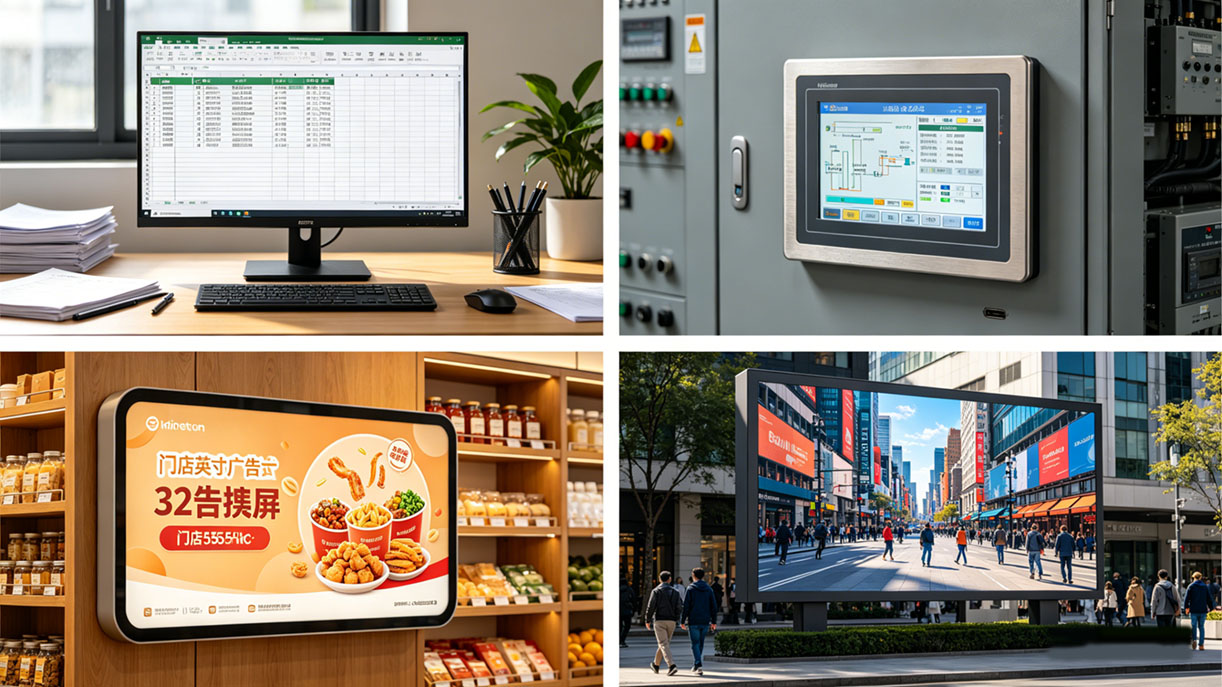
1.Whether you’re upgrading an office monitor, outfitting industrial equipment, designing commercial display solutions, or replacing embedded device screens, LCD displays are everywhere in daily work and business operations. With countless sizes, specifications, and performance options on the market, many people struggle to pick a suitable liquid crystal display that matches their actual needs. Choosing blindly often leads to unclear visuals, poor durability, or unnecessary cost waste.
2.Before comparing brands and prices, the first step is to clarify your usage environment and core demands. Different scenarios require completely different screen configurations. For daily office and home use, viewing comfort and color performance matter most. For industrial workshops, mechanical equipment, and long-term uninterrupted operation, stability, temperature resistance, and service life become the top priorities. Commercial advertising screens facing strong light need high-brightness anti-glare design, while embedded small screens for customized equipment focus on installation compatibility and structural durability.
3.Screen panel type is the foundation of visual experience and overall quality. IPS panels are the most versatile option, delivering wide viewing angles, accurate color reproduction, and consistent image performance from all directions. They work perfectly for offices, meeting rooms, and commercial display scenarios. VA panels feature high contrast and deep black levels, ideal for monitoring rooms and video playback to enhance image layering. Professional industrial TFT panels are built for harsh conditions, with shock resistance, temperature adaptability, and stable output for 24-hour continuous operation, which regular household screens cannot match.
4.Resolution and brightness directly determine viewing clarity. In standard indoor office spaces, 1080P full HD resolution meets daily document processing, video conferencing, and web browsing needs. For creative design, high-definition video production, and large-size displays, 2K or 4K high-resolution screens can present more delicate details. Brightness is easily overlooked but extremely important. Ordinary 250–300 nits screens are suitable for dim indoor spaces; areas with strong natural light or direct sunlight require high-brightness screens to avoid washed-out, unreadable content.
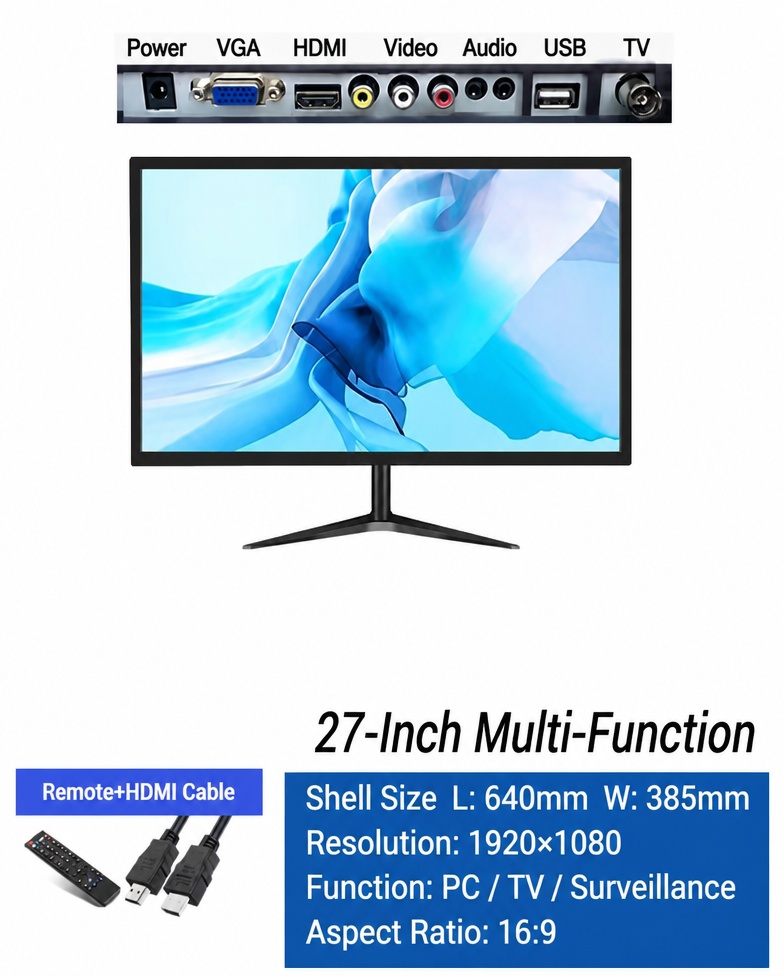
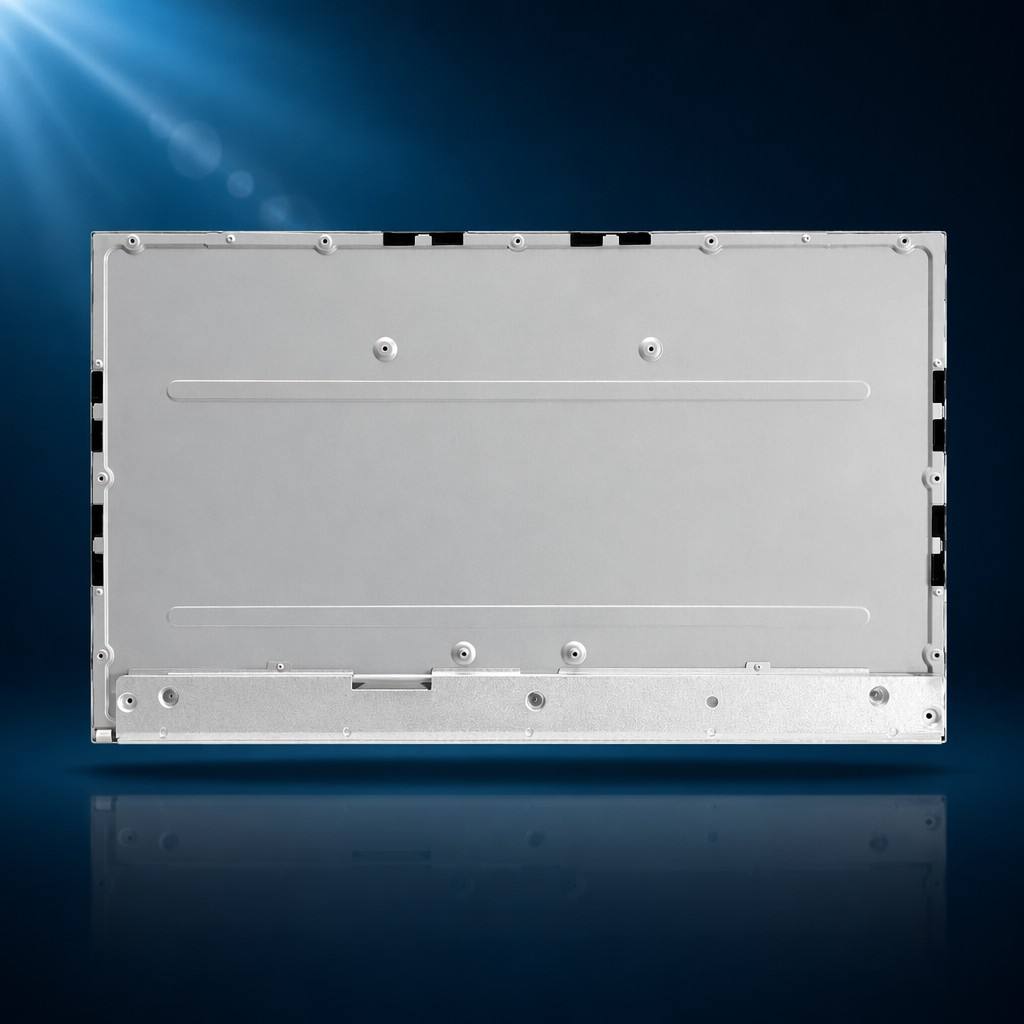
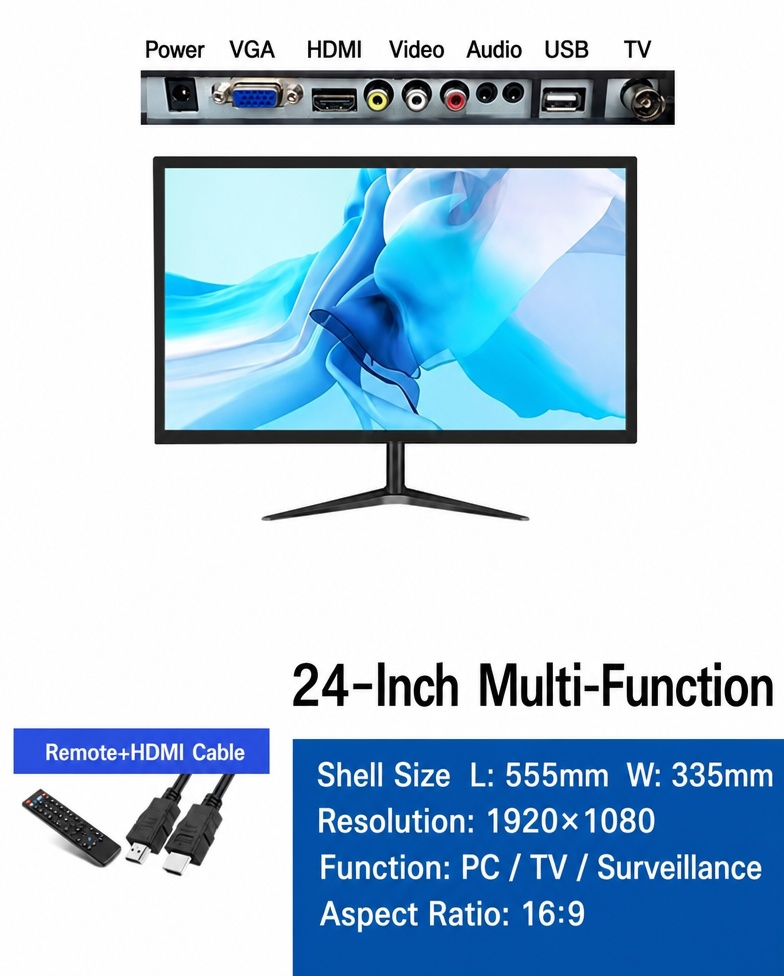
5.Interface compatibility and installation style should never be ignored. Before purchasing, confirm the connection ports of your supporting devices, including mainstream HDMI, and specialized interfaces for industrial equipment. Embedded equipment needs to verify opening size, installation method, and wiring compatibility to avoid installation failures. For scenarios requiring interactive operation, you can choose capacitive touch or resistive touch screens according to dustproof, waterproof, and sensitivity requirements.
6.Durability and long-term performance decide the long-term use cost. Household and ordinary commercial screens are designed for intermittent use, while industrial-grade LCD screens adopt optimized materials and circuit design, supporting a wider working temperature range, anti-interference ability, and longer service life. For equipment that runs non-stop all year round, investing in high-quality industrial screens can effectively reduce failure rates and replacement costs.
7.In short, the best LCD screen is not the one with the highest parameters, but the one that fits your usage scenario. By clarifying the use environment, focusing on panel performance, matching resolution and brightness, confirming interface and installation conditions, and paying attention to overall durability, you can easily select a cost-effective and long-lasting liquid crystal display to meet daily office, commercial display, or industrial production needs.